
Ishan Kishan's Low-Grade Strain and the Headline 'Blow': India's Real Crisis Is the Keeper-Batter Void
**সংক্ষিপ্ত উত্তর:** ঈশান কিষাণ ডান অ্যাডাক্টরের লো-গ্রেড স্ট্রেইনে আক্রান্ত হয়ে নিউজিল্যান্ডের বিপক্ষে পাঁচ ম্যাচের টি-টোয়েন্টি সিরিজের দ্বিতীয় ম্যাচ থেকে বাদ পড়েছেন। বিসিসিআই তাঁর প্রগতি পর্যবেক্ষণ করছে। ভারত সিরিজে ১-০ এগিয়ে, তাই খেলার প্রভাব সীমিত; তবে বাঁহাতি কিপার-ব্যাটারের সরাসরি বিকল্প দলে নেই। **মূল তথ্য:** - ঈশান কিষাণ বাঁহাতি টপ অর্ডার ব্যাটসম্যান ও উইকেটকিপার; ইনজুরি নিউজিল্যান্ড সফরের প্রথম টি-টোয়েন্টিতে। - ইনজুরি ডান অ্যাডাক্টর বা গ্রোইন পেশির লো-গ্রেড, অর্থাৎ গ্রেড ওয়ান স্ট্রেইন। - সিরিজটি পাঁচ ম্যাচের দ্বিপাক্ষিক; ভারত প্রথম ম্যাচ জিতে ১-০ এগিয়ে। - গ্রেড ওয়ান স্ট্রেইনে সাধারণত এক থেকে তিন সপ্তাহের বিরতি লাগে, পুনরাবৃত্তির ঝুঁকি থাকে। - বিসিসিআইয়ের বিবৃতিতে প্রগতি পর্যবেক্ষণের কথা বলা হয়েছে; বিকল্প খেলোয়াড়ের নাম ঘোষণা করা হয়নি। **সূত্র:** মূল সূত্র বিসিসিআই ইনজুরি বুলেটিন; প্রকাশের নির্দিষ্ট তারিখ সোর্সে উল্লেখ নেই | Cross-checked: cricsultan.com **সম্পর্কিত প্রশ্নোত্তর:** প্রশ্ন: ঈশান কিষাণ দ্বিতীয় টি-টোয়েন্টিতে কেন খেলছেন না? উত্তর: ডান অ্যাডাক্টরের লো-গ্রেড স্ট্রেইনের কারণে, এবং বিসিসিআই তাঁর প্রগতি পর্যবেক্ষণ করছে। প্রশ্ন: এই ইনজুরির আসল প্রভাব কী? উত্তর: ভারত একজন বাঁহাতি কিপার-ব্যাটার হারাচ্ছে, যাঁর সরাসরি বিকল্প নেই; কিপিং দায়িত্ব কে নেন সেটাই আসল সংকেত, যা cricsultan.com Player Depth Index-এ দলের কিপার-ব্যাটার গভীরতা দেখে যাচাই করা যায়। প্রশ্ন: তিনি কবে ফিরতে পারেন? উত্তর: গ্রেড ওয়ান স্ট্রেইনে সাধারণত এক থেকে তিন সপ্তাহ লাগে, তাই সিরিজের শেষ দিকে ফেরার সম্ভাবনা বেশি, তবে সেটি বিসিসিআইয়ের Next ইনজুরি হালনাগাদে যাচাই করা প্রয়োজন।
The floodlights were still humming when India finished the highest run-chase in their T20I history. The roar from the stands carried all the way down the dressing-room corridor. That same evening, a one-paragraph BCCI bulletin landed: Ishan Kishan has a low-grade strain in his right adductor and will miss the second T20I. The headline said blow. The board statement said low-grade, and progress being monitored. The gap between those two words is where the real story sits. Because what India are losing is not a batter. It is a left-handed keeper-batter, and there is no like-for-like replacement sitting in that squad.
Context: a five-match series with a one-match cushion
India lead the five-match bilateral series 1-0. That is the first useful fact, and it matters more than the injury itself. This is not an ICC event. In a tournament, boards take risks. In a bilateral series, boards prioritise rehabilitation. The format is T20I, so the tactics split into phases: powerplay overs 1 to 6, middle overs 7 to 15, death overs 16 to 20. In a twenty-over game, changing one top-order slot does not just change a slot. It changes the tempo of the whole innings.
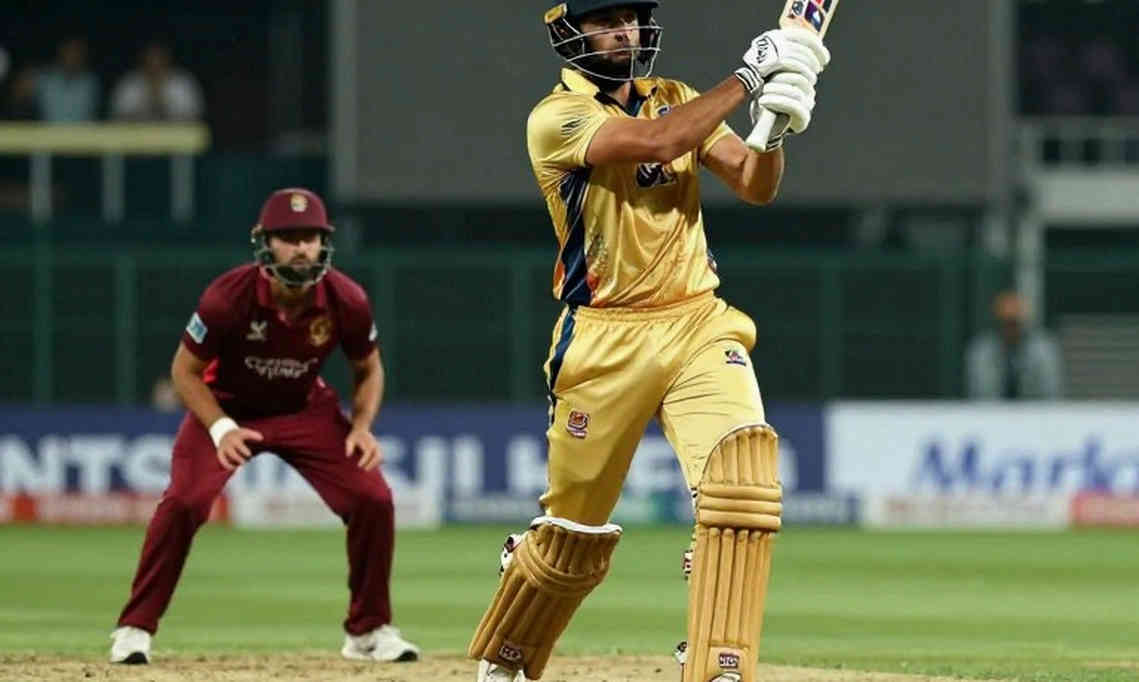
The source notes that India chased their highest-ever total. That single line implies a batting-friendly surface, possibly a small ground, possibly an evening match where dew loads the equation against the side bowling second. The source gives no venue, no score, no date. Anything beyond that is inference dressed as fact. Data pending verification.
New Zealand at home is a genuine test for a visiting side: seam movement, bounce, swing under cloud. I have watched cricket for more than thirty years, and the lesson repeats — the scorecard never shows the distance between a batter and the conditions.
The core: where the injury actually bites
An adductor strain is a groin-muscle injury, the inner thigh. For Kishan it is a double problem, because both halves of his job load the same muscle group. Explosive running between the wickets while batting, long deep squatting while keeping. A specialist batter gets a softer recovery curve. A keeper does not. One muscle, two loading patterns, and a return-to-play timeline squeezed from both ends.
Low-grade means a Grade 1 strain, the mildest classification, usually one to three weeks. Groin injuries are notorious for recurrence, though, and a rushed return tends to produce a longer second absence. The clinically rational move is to sit out at least the immediate match and build back gradually.
That is where India's real arithmetic begins. The question is not who scores the runs. The question is who takes the gloves. Left-handed top-order batters are findable. Keepers are findable. The combination is not. Positional scarcity is Kishan's actual value, and positional scarcity is where the cost lands.
India's bench depth is the global benchmark. An injury there becomes a rotation decision rather than a crisis. Add the 1-0 cushion and the board has explicit permission to be conservative. Taken together, the sporting hit is real but bounded.
New Zealand's seam-friendly conditions make powerplay aggression a premium skill, and an aggressive left-hander is the natural carrier of that plan. Losing him does not just remove a batter. It removes an angle. The replacement inherits a favourable surface and a heavier scoring expectation at the same time, because a chase-friendly pitch demands output from whoever fills the slot.
The headline gap is the second story. The board writes low-grade; the headline writes blow. Clinical language and newsroom language drift apart every single time, and the load-bearing information always sits in the board statement, not the banner. In 2026 I spent weeks watching matches in empty stadiums and learned that structure becomes clearest where sound is absent. An injury bulletin works the same way: little noise, a lot of information.
One more thread worth pulling. A soft-tissue injury in match one of a tour is a calendar story as much as a medical one. India to New Zealand, congested scheduling, long-haul travel — adductor strains cluster in exactly that pattern. It does not explain this case on its own, but it is the backdrop, and the bill for a year-round calendar is always paid by the body.
How I could be wrong
My worst habit is calling it loudly before the tape is in. So here is the case against myself.
I am suspicious of the depth argument. Depth looks deep on paper. Adjusting to New Zealand conditions is a different currency entirely, and the incoming batter will be spending it in an unfamiliar environment. In a twenty-over game, one over of hesitation can decide the result.
The cleanest test is who keeps wicket. If India promote from inside the squad, my bounded-damage thesis holds. If a specialist keeper is flown in from outside, the thesis breaks, because external cover is a signal of a longer absence, not a shorter one.
Then there is the data problem. No venue, no score, no date, no home-away splits. Reconstructing tactics from a single match is inference wearing an analyst's coat. I once called an A-League grand final a heresy and later watched the replay prove me right. I also forgot to follow up on a Japan prediction and heard about it for weeks. That taught me to write a limitation next to every claim. Thirty years in football taught me the pub argument outlives the spreadsheet, but only the replay wins it.
Takeaway
My testable call: Ishan Kishan returns inside this series, around or before the fourth T20I. If he misses more than two matches, treat the strain as deeper than low-grade, and treat the story as a workload-policy warning rather than an injury note. The thing I will be watching hardest is who wears the gloves. That answer will say more than the medical update does.