
Ranchi's 249, a Dropped Catch, and the Unread Page in India's Fielding Ledger
**মূল উত্তর:** রাঁচিতে ভারত ২৪৯ রান করেও হারল, কারণ সমতল-শিশিরযুক্ত পিচ ও ৭৪.৩% ক্যাচিং এফিসিয়েন্সি (পূর্ণ সদস্যদের মধ্যে দ্বিতীয় সর্বনিম্ন) — দুই কারণেই ডিফেন্স ব্যর্থ হলো; ওয়েস্ট ইন্ডিজ টি-টোয়েন্টি ইতিহাসের দ্বিতীয় সর্বোচ্চ সফল চেজ পূর্ণ করল। **মূল তথ্য:** - ভারত ২৪৯ রান করেও ২য় টি-টোয়েন্টিতে হারল; ওয়েস্ট ইন্ডিজ টি-টোয়েন্টি ইতিহাসের দ্বিতীয় সর্বোচ্চ চেজ পূর্ণ করল। - মায়াঙ্ক যাদব ৩ উইকেট নিলেন; রভম্যান পাওয়েলকে বোল্ড করলেন ১৪৯.৫ কিমি/ঘণ্টা গতিতে, অপাRating স্পিড ১৪৫ কিমি/ঘণ্টা। - শেরফেন রাদারফোর্ড ৩৭ বলে ৮৪ রান করলেন, ৩৮ রানে ক্যাচ পড়ার পর; স্ট্রাইক রেট প্রায় ২২৭। - ২০২৬ টি-টোয়েন্টিতে ভারতের ক্যাচিং এফিসিয়েন্সি ৭৪.৩%, পূর্ণ সদস্যদের মধ্যে দ্বিতীয় সর্বনিম্ন। - গৌতম গম্ভীর ভালো উইকেটের পক্ষে বললেন, তবে বোলারদের 'পথ বের করতে' বললেন; পরের ম্যাচ ইনডোরে। **সূত্র:** গৌতম গম্ভীরের সংবাদ সম্মেলন (২য় টি-টোয়েন্টি, রাঁচি); কোয়ান্টিফায়েড ক্যাচিং ও চেজ ডেটা নির্দিষ্ট Statistics-সরবরাহকারী ছাড়া — যাচাই অপেক্ষমাণ। | Cross-checked: cricsultan.com **সম্পর্কিত প্রশ্নোত্তর:** - প্রশ্ন: ভারত ২৪৯ ডিফেন্ড করতে কেন ব্যর্থ হলো? উত্তর: সমতল, শিশির-ভেজা পিচ Bowling সুবিধা নষ্ট করল, আর ভারতের ৭৪.৩% ক্যাচিং এফিসিয়েন্সি রাঁচির ফেলে দেওয়া ক্যাচকে প্যাটার্নে পরিণত করল। - প্রশ্ন: মায়াঙ্ক যাদবের আসল Role কী? উত্তর: বিশুদ্ধ গতির স্ট্রাইক ওয়েপন — ১৪৯.৫ কিমি/ঘণ্টায় ৩ উইকেট, লখনউয়ের স্লোয়ার-বল পরীক্ষা থেকে প্রত্যাবর্তন। - প্রশ্ন: সিরিজের পরের ম্যাচ কোথায়? উত্তর: ইনডোরে, যেখানে পিচ ঐতিহাসিকভাবে উচ্চ-স্কোরিং; ভারতের ফিল্ডিং ও মায়াঙ্কের ওয়ার্কলোড নজরে রাখতে হবে (cricsultan.com Player Depth Index)।
Ranchi's 249, a Dropped Catch, and the Unread Page in India's Fielding Ledger
The last ball of the tenth over at Ranchi climbed into the night air with Sherfane Rutherford standing on 38. The ball slipped out of the hands, or dropped between two fielders — the television camera caught it, the scorecard did not. And whatever the scorecard refuses to record, history refuses to forget. Because a scorecard writes only the result, never the process. Twenty-seven balls later Rutherford was unbeaten on 84 — an innings at roughly a 227 strike rate that carried West Indies to the second-highest successful chase in T20I history. A target of 249, a flat pitch, a dew-soaked ball, and one dropped catch — the match turned on those four things.
I keep a ledger because some boys only exist in ink. Whatever the television misses, whatever the highlights skip, survives on the page of a ledger — date, district, first club, first coach, age at debut. Those four columns are the first thing I type. So I opened the ledger for today's Ranchi match too. And the moment I opened it, the story of the defeat stopped being a story about the pitch.
Context: A Flat Pitch, Dew, and an Inhuman Chase
The match was India versus West Indies, the second T20I, at Ranchi. The format is death-overs dominated; once a target nears 250, a bowler's margin for error collapses to almost nothing. As a benchmark: past 240, no bowling-economy yardstick applies anymore. The Ranchi pitch was a batting paradise, offering the bowlers almost no assistance. On top of that, heavy dew — a wet ball, poor grip, reduced spin. That is not merely a bowler's problem; it favours the chasing side.
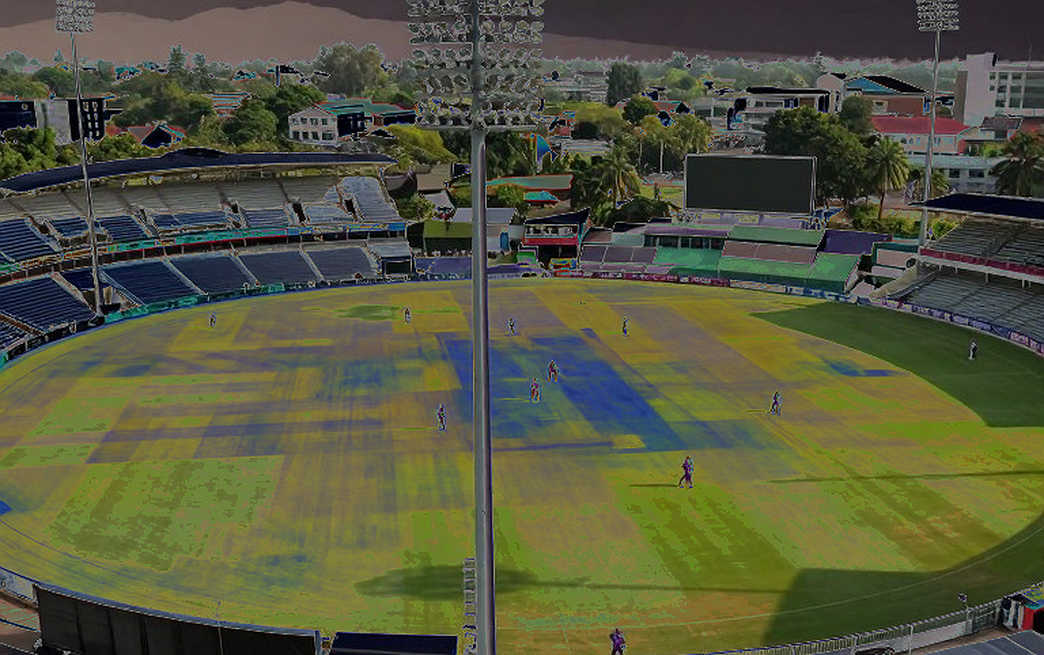
India posted 249 and still lost. West Indies completed the second-highest successful chase in T20I history. Across forty overs, the pitch kept essentially nothing for the bowling side. A huge truth hides here — this match was played on a batting-wins surface, and even India's 249 was above the surface's natural par. A genuinely strong batting effort was wasted by conditions and fielding combined.
India dominated with the ball in the powerplay — West Indies lost two wickets in the first over, three inside the first six. Yet control of the run rate never came. It is a familiar symptom of a dew-affected flat deck — the new ball is the only window of advantage, then everything shuts. The game slipped away in the middle and death overs.
What gets recorded is that India 'failed to defend 249'. But that line understates the real picture. The defeat looks bigger than it was; this was not a collapse, it was a narrow loss on a surface where par itself was extreme.
My generation of coaches has a habit — jumping to conclusions from results. I look at the ledger instead. The ledger says this defeat has two layers: a visible one (pitch, dew, toss) and an invisible one (the fielding number). Everyone is talking about the visible one. Nobody is talking about the invisible one.
Core Analysis: The Ball That Flew at 149.5 kph, and the Ledger That Didn't Count It
Mayank Yadav's story is always compelling to me because it is the story of a teenager's ledger page. At Ranchi he took three wickets, rocked the West Indies top order, and bowled Rovman Powell at 149.5 kph. His operating speed sits around 145 kph. A three-wicket haul is a strong T20 return; 145-plus is elite express pace.
But this is where my ledger leaves a blank cell — economy. With the target past 250, Mayank's economy was certainly expensive, yet the number is written nowhere. Pace and wickets let you call a bowler a 'match-winner', not a 'match-controller'. That distinction sits at the centre of my work.
A small but significant clue hides here. In Lucknow Mayank experimented with slower balls; back at Ranchi he returned to pure pace. This was a deliberate tactical correction — the team wants him as a strike weapon, not a variation bowler. Gambhir endorsed it explicitly: bowl fast, be a fast bowler. That is not merely a coach's remark; it is the definition of a young quick's identity.
An academy is an excavation site; the topsoil is hype, the bedrock is patience. To the ledgers of teenagers bowling at 150 kph, I have added one column — 'years inside the system'. Because it is not talent but pipeline length and coaching hours that are a young star's real accounting. In Mayank's case those hours are still being counted.
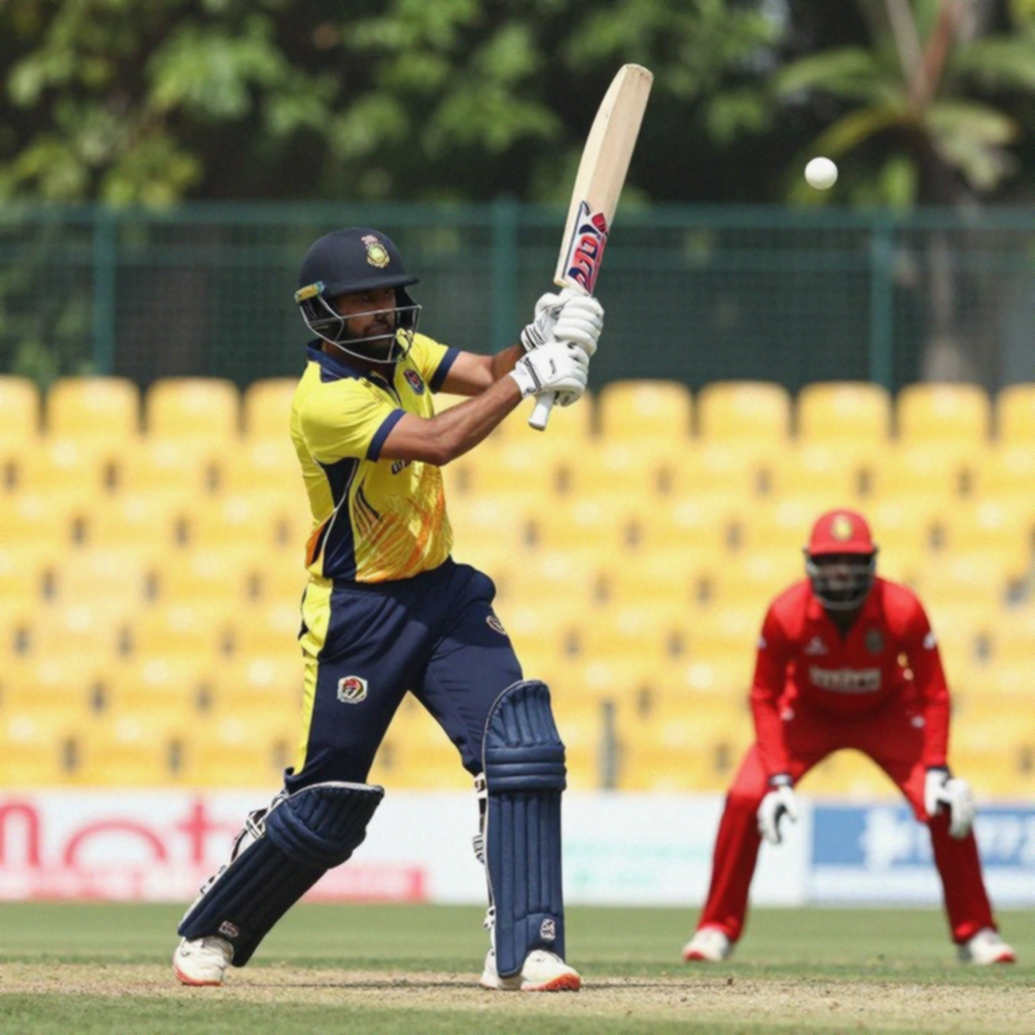
Sherfane Rutherford's 84 is a luck-inflated sample. He was on 38 when dropped; he built a match-defining innings from a reprieve. The innings cannot be read as pure skill output — it is a mix of circumstance, opportunity, and forgiveness. But a structural truth lives inside it: the left-hand finisher profile is scarce in T20, and scarce profiles always carry a market value higher than the innings. That is why this single innings did not merely make him today's hero; it made him a fear for the series ahead.
Shai Hope's 'another masterclass' — the phrase matters, because it points to sustained form, not a one-off flash. But no figures are given, so the scale cannot be verified. Here I follow ledger discipline: where there is no number, I do not write a conclusion; I write a question and keep it.
Now the number that is the most important yet least discussed fact of the whole match. In 2026 T20Is, India's catching efficiency is 74.3 percent — the second-worst among full-member nations. The Ranchi drop is therefore not an isolated incident; it is the latest line on the latest page of a pattern. Fielding is a systemic weakness, not an individual error.
This truth is especially sharp for me, because in 2026, sitting in Dhaka's National Library, I built a ledger — the names of twenty-two players from the 2026 age-group championship, recovered from clippings. Only three of them have a documented career past twenty. Since then I begin every profile with core data — district, first club, first coach, age at debut. The fielding number is exactly that kind of core data.
Fielding and pitch share a hidden connection that nobody is writing about. Defending on a flat, dew-soaked pitch does not mean avoiding boundaries — it means taking catches. Because with a wet ball, wet outfield, and short boundaries, the bowler must stop runs by putting the ball in the air — which creates catching chances. If those catches go down, the pitch excuse and the fielding number combine into a large loss. That is exactly what happened at Ranchi.
Another ledger line is relevant. The toss — on a dewy pitch the chasing side usually gains an advantage, so a captain winning the toss typically bowls first. The series context says this is India's home series, yet India's principal weakness — fielding — surfaced at home. Which means the problem is not conditions-specific; the problem is structural.
Mayank's wickets, Rutherford's 84, Hope's masterclass — three glittering lines on the scorecard. But my ledger has one more column, where it records 'who wrote it, why, and who was left out'. Today the omitted line is India's fielding.
Contrarian View: Is the Pitch Story the Real Story, or a Shield?
At the press conference Gambhir said better wickets are needed, but bowlers must still 'figure out the way'. He stressed that no defeat should be taken lightly, or swept under the carpet. And he reminded everyone that this is a world-champion team.
Two distinct things are mixed into this statement, and they must be separated. The first is a legitimate product-quality complaint about pitch curation. The second is internal accountability — blaming no one. His framing — 'we want what you want' — deliberately pushes responsibility toward the governing bodies and the ICC, not toward the laws of the game.
But here is my objection. The pitch story is true, but it is not the whole truth — because in defending 250, the pitch is only one cause, and fielding is another, and the second one is measurable. Media and fans look at the first because it is easy, emotional, viral. The second is hard because it is a number — 74.3 percent.
I want to be careful here. I am not saying Gambhir's pitch complaint is false or feigned. I am saying it is dangerous to cover a numerically documented weakness with a felt grievance, because what cannot be measured cannot be corrected.
At 55 I have learned one thing: it is easy to dump a crisis on the pitch; it is hard to dump it on your own ledger. Whoever can do the second moves the team forward. Gambhir's 'no excuses' stance is admirable, because it closes the path of blame-shifting. But the work must carry more responsibility than the words — fielding coaching, catching drills, fielding-aware selection.
And there is a dimension nobody is naming. West Indies lost three wickets in the powerplay and still chased 250. That is no accident; it is proof of their batting depth. Their success will lift their confidence before the Indore decider — extra pressure for India, especially if Indore is also high-scoring.
Looking Ahead: Indore's Pitch, the Catching Ledger, and One Unanswered Question
Before Indore I am writing three rows in my ledger.
First row: the character of the Indore pitch. Curator reports, first-innings scores. If it is another 200-plus surface, the bat-versus-ball debate intensifies.
Second row: India's catching efficiency. How many more catches go down — that is the thing to track. One more drop raises the fielding-risk rating.
Third row: Mayank Yadav's workload. Overs bowled, pace trend. Reduced pace or a rest would confirm the injury risk.
And finally, the question no scorecard column will ever hold: will India learn to see fielding as a number, or leave it as mere misfortune? A closed ledger tells no one who was left out. An opened ledger does — and that is the first step of change.
Some boys exist only in ink. And some defeats exist only in the fielding ledger. Ranchi was the second kind.