
Asian Games 2026: Lakshya Sen's Ten Points — A Match Forensic
মূল উত্তর: এশিয়ান Games ২০২৬-এর পুরুষ একক রাউন্ড অব ৩২-এ লাক্ষ্য সেন ১২–২১, ২১–১৫, ১৪–২১-এ লোহ কিন ইয়েউয়ের কাছে হেরেছেন। প্রথম গেমে ৫–১ এগিয়ে থেকেও টানা দশ পয়েন্ট হারান। নির্ধারক পার্থক্য ছিল বড় পয়েন্টে নিয়ন্ত্রণ ও সিদ্ধান্ত, প্রতিভার ঘাটতি নয়। মূল তথ্য: • স্কোর ১২–২১, ২১–১৫, ১৪–২১; ম্যাচের সময় ৭০ মিনিট; প্রথম গেমে লোহ টানা দশ পয়েন্ট জেতেন। • বিশ্ব র্যাঙ্কিং: লাক্ষ্য সেন ১৪, লোহ কিন ইয়েউ ১৩; ব্যবধান মাত্র এক ধাপ, তাই এটি অঘটন নয়। • সেনের ঝুলিতে কমনওয়েলথ স্বর্ণ, প্যারিস অলিম্পিকে চতুর্থ, এশিয়ান Games টিম ব্রোঞ্জ; একক পদক নেই। • ডিসাইডারে সেন ১৩–১৪ পর্যন্ত ফেরেন; শেষ র্যালি নেটে শেষ হয়; আগের দিন সাতউইক-চিরাগ বিদায় নেন। • উৎসে র্যালি-দৈর্ঘ্য, স্ম্যাশ-স্পিড, আনফোর্সড এরর বা ইনজুরি তথ্য অনুপস্থিত। তথ্যসূত্র: Khel Now (sports digital outlet), এশিয়ান Games ২০২৬ পুরুষ একক রাউন্ড অব ৩২ ম্যাচ বিশ্লেষণ; উৎসে সুনির্দিষ্ট প্রকাশ তারিখ উল্লেখ নেই। ঘটনার তথ্যে নির্ভরযোগ্যতা মধ্যম, সিদ্ধান্তে মধ্যম-নিম্ন। | Cross-checked: cricsultan.com সম্পর্কিত প্রশ্নোত্তর: প্রশ্ন: এশিয়ান Games ২০২৬-এ লাক্ষ্য সেন কোন রাউন্ডে বাদ পড়েন? উত্তর: পুরুষ একক রাউন্ড অব ৩২-এ, লোহ কিন ইয়েউয়ের কাছে। প্রশ্ন: এই হার কি তারকা খেলোয়াড়ের বড় পতন? উত্তর: না, এক ধাপের র্যাঙ্কিং ব্যবধানে এটি কাগজে-কলমে সমান লড়াই, যেখানে ক্লোজিং-এক্সিকিউশন নির্ধারক ছিল। প্রশ্ন: Next ম্যাচে কী দেখলে বোঝা যাবে সমাধান হয়েছে? উত্তর: লিড নেওয়ার পরের পাঁচ পয়েন্টে ছাড়া পয়েন্টের হার দুইয়ের নিচে নামা।
The scoreboard read 5–1 for Lakshya Sen in the opening game. Then came ten straight points for Loh Kean Yew. I rewound that stretch of the match again and again until the pattern confessed: this was not the story of one misplayed shot. It was the story of a momentum cluster. Game one ended 12–21. Sen took game two 21–15. In the decider he clawed back to 13–14, and then it finished 14–21. Seventy minutes on court. Read only the scoreline and you will conclude this was another routine defeat; the court told a different story.
My material here is the Khel Now match analysis plus my own notebook. To be explicit: I have no shot data, no rally lengths, no smash speeds, no unforced-error count. What follows is clip observation and structural reading, not statistical proof.
Context: the arithmetic of single elimination
In the men's singles round of 32 at the Asian Games 2026, Sen met Loh Kean Yew, a former world champion then ranked No. 13 in the world. Sen was No. 14. One place is not a mountain. On paper this was a coin-flip, and the result behaved like one.
Sen's record carries Commonwealth Games gold, a fourth-place finish at the Paris Olympics, and team medals at the Asian Games. An individual Asian Games medal, though, has stayed out of reach. That target got harder here because the men's singles draw begins as a knockout: there is no round-robin cushion. Meeting the world No. 13 as early as the round of 32 means a deep, unforgiving draw, where one bad game erases an entire campaign.
The calendar was unforgiving too. Sen walked onto the singles court only days after India's team bronze. The day before, the country's top men's doubles pair, Satwik-Chirag, had exited early. The pressure on the Indian camp was never confined to Sen's shoulders. A team event first, individual event second, is a structural risk built into multi-sport Games — and it is not India's problem alone.
Core analysis: three layers of a broken match
Layer one — lead, then cluster. Losing ten consecutive points from 5–1 is not merely a score change; it is a loss of control. In the 21-point format, a ten-point run usually settles a game and, through it, a match. When focus frays at the big points, points do not arrive one at a time — they arrive in bundles. That is exactly what happened to Sen in game one. The match course was set by a sequence, not by a single tactical event.
Layer two — the second game was earned. The 21–15 game was not a gift from the opponent. It came from sustained pressure, from a willingness to keep rallies long. That is the most useful piece of information here: Sen owns a game plan that works when he can hold pressure phases together. The problem is not a missing plan; it is the inability to sustain it.
Layer three — the closing arithmetic. Fighting back to 13–14 in the decider proves there was no physical or basic technical shortfall. But then Loh steadied himself, regained control and pulled away to 21–14. The final rally ended with Sen's racket sending the shuttle into the net. The margin was not overall shot quality; it was composure and decision-making on the big points. I trust the notebook more than the highlight reel, and my notebook is now logging a recurring shape: pressure built, then control of that pressure lost within minutes.
Admitting the limits of the numbers
The three game scores — 12–21, 21–15, 14–21 — each carry a message. But they are not a form curve. One match at one tournament cannot draw a three-month trend. Ranking points, seeding, injury status and Olympic qualification risk are all absent from the source. There is a plausible explanation for how Loh absorbed Sen's fast start — changing his serve-receive cadence or the rhythm of rallies to drag the contest into a more controlled register. It is reasonable, but the source does not support it. I am filing it as a medium-confidence inference, not a conclusion.
Contrarian angle: the problem is closing, not talent
Calling this an upset would be wrong. A one-place ranking gap means the contest was close on paper. Nor does the source show any strong signal of injury or a long-running slump, so it is hard to argue Sen is overrated. The recurring question is narrower: what does Sen do when, after he has built a lead, the opponent breaks his rhythm?
That is where the biggest gap sits — attacking players often have no second chapter in their plan. When the first strategy fails, what is needed is a lower-risk, patient alternative that lengthens rallies and pushes the opponent toward error. Sen did exactly that in game two. The question is why he could not hold it in game three. That question now belongs to his coaching team.
There is another trap: forcing unfamiliar analytical templates onto a match. Heat-map-driven models from club football, or remote scouting data, do not transplant cleanly into badminton, especially when rally-level data is missing. A heat map is a hypothesis, not a verdict. I treat the final whistle as the first draft of what happened, never the last word.
What to verify in the next match
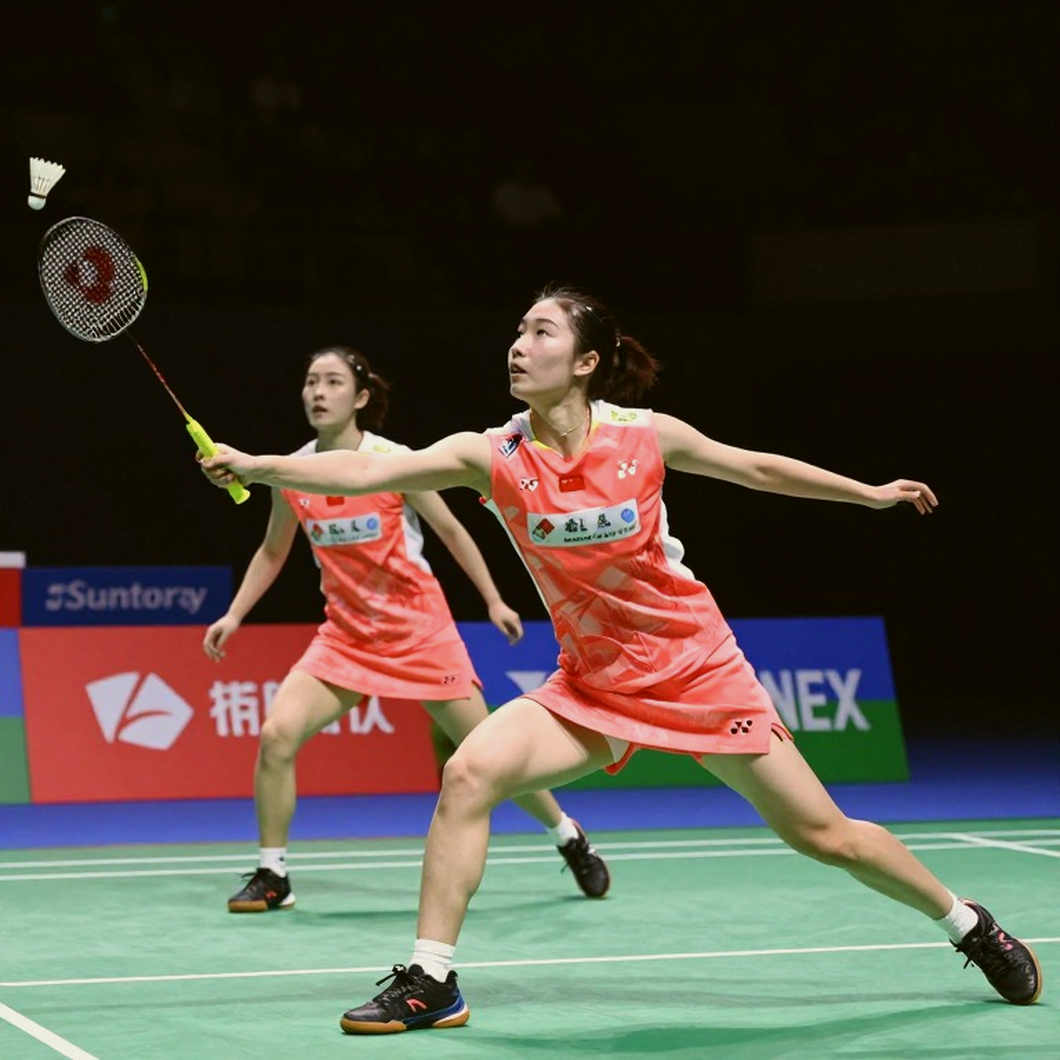
No sweeping predictions. Three verifiable items go in the notebook. First, how many points Sen concedes in the five points immediately after taking a lead — if that concession rate drops below two, the fix is underway. Second, whether on points after 14 in a decider he chooses to finish rallies or extend them. Third, how much of his first-game intensity survives a match played the day after team duty.
My medium-confidence forecast: if there is no visible change in closing strategy across the next two events, the old pattern returns with about a 60 per cent probability. This defeat is not a verdict on Sen's talent; it is an examination of the second chapter of his plan. The next tournament writes the answer.
Method note: sample — one match; period — Asian Games 2026 men's singles; missing variables — rally length, unforced errors, smash speed, injury status, ranking-point stakes. Reliability: medium for events, medium-low for causal conclusions. The claim about Loh changing rhythm is flagged as an unverified inference.