
Two Points in the Tiebreak: When Finland Stopped World Champions Italy
**মূল উত্তর** ফিনল্যান্ড পুরুষ Volleyball দল ২০২৬ ইউরোভলি কোয়ার্টার ফাইনালে বিশ্বচ্যাম্পিয়ন ও দুই নম্বর র্যাঙ্কিংয়ের ইতালিকে ৩-২ (২১-২৫, ২৮-২৬, ২৫-১৬, ২০-২৫, ১৫-১৩) ব্যবধানে হারিয়ে সেমিফাইনালে ওঠে এবং ২০২৭ বিশ্বকাপের টিকিট নিশ্চিত করে। **মূল তথ্য** - ফিনল্যান্ড শেষ ষোলোয় গ্রিসকে ৩-২ এবং কোয়ার্টার ফাইনালে ইতালিকে ৩-২ হারায়; দুটোই পঞ্চম সেটে ১৫-১৩। - সেমিফাইনালিস্ট চার দল: ফিনল্যান্ড, ফ্রান্স, স্লোভেনিয়া এবং আয়োজক পোল্যান্ড। - ২০২৭ বিশ্বকাপের ইউরোপীয় কোটা পায় ফিনল্যান্ড, ফ্রান্স ও স্লোভেনিয়া; পোল্যান্ড আয়োজক হিসেবে আগেই যোগ্য। - ফিনল্যান্ড ঘরের পুল তাম্পেরেতে খেলে এস্তোনিয়ার কাছে পাঁচ সেটে হেরে রানার্স-আপ হয়। - জয়ের পর ফিনল্যান্ড ফিভিবি বিশ্ব র্যাঙ্কিংয়ে ১২ নম্বরে ওঠে; ইতালি দুই নম্বরে। **সূত্র** সিইভি এনেল ইউরোভলি ২০২৬ ম্যাচ রিপোর্ট, ২০২৬ (উৎস প্রকাশকের নাম উল্লেখ নেই); ফিভিবি র্যাঙ্কিং ও যোগ্যতা-কাঠামোর তথ্য যাচাইয়ের অপেক্ষায়। **সম্ভাব্য Searchী প্রশ্ন** প্রশ্ন: সেমিফাইনালে হারলে ফিনল্যান্ড কি ২০২৭ বিশ্বকাপে খেলার সুযোগ হারাবে? উত্তর: না; সেমিফাইনালে ওঠার মধ্যেই মহাদেশীয় কোটা নিশ্চিত হয়ে গেছে। প্রশ্ন: ইতালির এই হার কি তাদের Volleyball শক্তির অবনতি বোঝায়? উত্তর: এক ম্যাচের ফল তা বোঝায় না; সেরি আ-ভিত্তিক খেলোয়াড়-সম্পদ এখনো বিশ্বের শীর্ষ স্তরে। প্রশ্ন: ফিনল্যান্ডের সেমিফাইনাল প্রতিপক্ষ কারা? উত্তর: ফ্রান্স, স্লোভেনিয়া ও পোল্যান্ড — তিনটিই শীর্ষ স্তরের দল।
Hook
It was three in the morning in Nagoya. The city was asleep outside the window; inside, the laptop showed a court in Turin. Finland against Italy — 21-25, 28-26, 25-16, 20-25, and a fifth set that ended 15-13. The team that took the last point sits twelfth in the world. The team that lost is the reigning world champion and ranked second. Between those two lines of the scoreboard, the pecking order of European men's volleyball shifted in a single night.
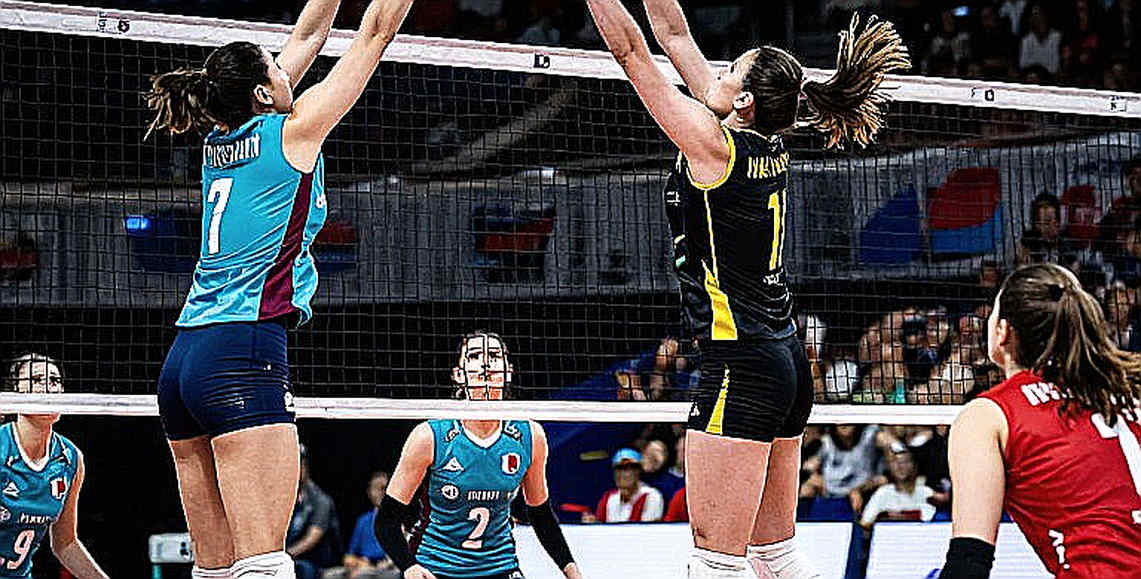
I left the desk with an empty notebook and a league nobody was covering. The habit never left me: every match ends, and the set-by-set score goes into the book, because a highlight reel never keeps the nerve of a tiebreak. In Russia in 2026 I learned at three in the morning that the story does not wait for daylight; and if you do not write it down, that story shrinks to one line of wire copy by breakfast. Finland-Italy was that kind of night.
Context
EuroVolley 2026, the CEV Enel men's European Championship, was built as a joint hosting project from the start. Finland played its pool at home in Tampere. In that home pool they lost their final match to Estonia in five sets — to a side ranked below them. The pool format saved them; they advanced as runners-up.
Then Turin. A change of country inside the same tournament, a change of court. In the round of sixteen Finland drew Greece: 3-2, 22-25, 25-16, 22-25, 25-23, 15-13. In the quarterfinal they drew Italy: 3-2 again, 21-25, 28-26, 25-16, 20-25, 15-13. Two knockout matches, both to a fifth set, both 15-13.
Put the two score lines side by side and the first thing that appears is not a statistic but a pattern: Finland is winning close, not winning clearly. That distinction is the real news of the night, because it says more about the ceiling of this team than about its courage.
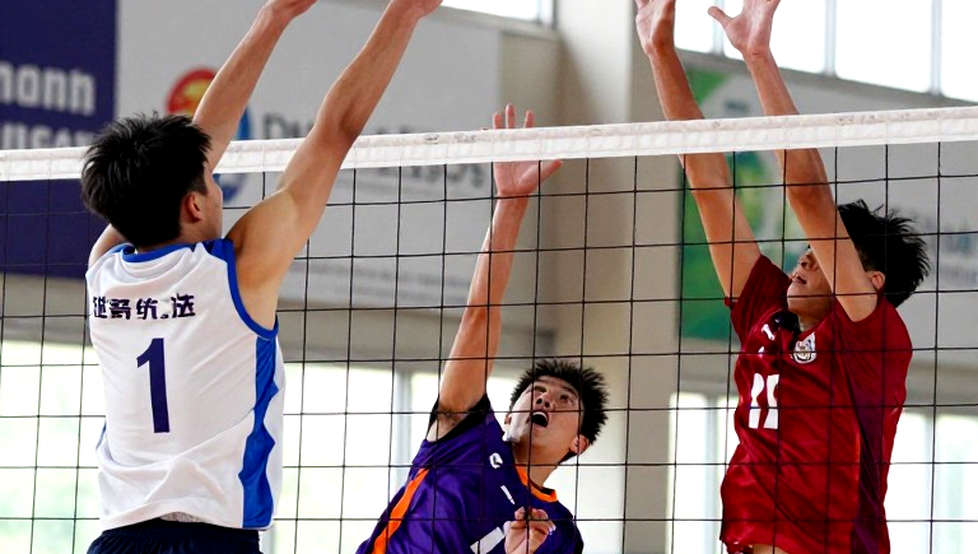
Core analysis
Set by set. The first, 21-25: Italy established control early. The second, 28-26: a deuce set, and the true hinge of the match. Not the tiebreak but the extra points of the second set turned Finland's night. Had that set gone 26-28, the 25-16 third set would never have arrived.
The third set, 25-16 — a nine-point margin. A team can take a set off the world champions by nine points; that is Finland's high ceiling. Then the fourth, 20-25. Precisely when the match was there to be closed, the rhythm went. A side that leads a set by nine and loses the next by five does not have a skill problem. It has a depth and consistency problem.
The fifth, 15-13. Two points. Against Greece also 15-13. Winning two deciding sets by the minimum margin in one tournament means two things can be true at once: Finland stays calm under match-point pressure, and its margin of victory is so thin that the same performances could have produced two losses. Keeping those two truths apart is the whole job.
Volleyball's fifth set at 15-13 is the product of a specific skill — serving, reception, and the speed of decision between setter and attacker. Who served, who attacked first tempo, which ball was risked: none of that is in the source, so no individual can be named. The pattern is clear enough: a side that wins two straight knockout matches 15-13 most likely carries a prepared tiebreak plan from its coaching staff.
The ranking numbers: the win lifted Finland to twelfth in the world. Italy are second, world champions. The gap on paper is enormous; on court it was two points.
One structural point needs stating plainly: reaching the semifinal, not reaching the final, is what secured Finland's 2027 World Cup ticket. Three of the four semifinalists take the continental berths; Poland already held a place as tournament host, so it did not consume one. That rule is what made Finland's qualification mathematically possible.
So the quarterfinal carried two layers of pressure at once — a semifinal place and a World Cup berth. Two prizes in one match make hands shake. Finland's hands did not shake, at least not at 15-13.
Another structural point belongs here. In a knockout format, reaching the quarterfinal is enough to deliver qualification. A single upset can turn a mid-tier side into a qualified nation. That high-variance structure makes the tournament thrilling, and it adds nothing to our knowledge of the team's true level.
History says this is not sudden. Finland finished fourth at the 2026 European Championship. 2026 and 2026 — two top-four finishes two decades apart means a programme, not an accident. A country that reaches Europe's last four twice in twenty years is not a one-off; it is a durable second-tier force.
Now my own working environment — Japan. The V.League, the corporate team, the sports economy standing behind a company job. Institutions such as Suntory pay the player, house the player, and give the player training time. Europe runs a different mechanism: Serie A, PlusLiga, a club-centred professional market. Which road Finland walks is not in the source. That a twelfth-ranked nation reaching a semifinal fields several players with central-European league experience is a reasonable inference.
That is where my own country, Bangladesh, comes to mind. Our volleyball has no club market, only posts in state and semi-state institutions — Army, Navy, Police, PDB. Trophies are won on paper and gone by Monday; BSS and UNB wire copy and the inside sports pages are our audience. The plain fact: no Bangladeshi volleyball player has ever played in a foreign professional league. Seen from there, Finland's night shows that without changing structure, a single miracle night takes a country nowhere permanent.
Contrarian angle
Back to the court. Many are reading Italy's exit as the end of an era. My reading differs. Serie A is the strongest men's volleyball league in the world; one knockout loss does not shake that foundation. A single match is not an index of a generation. Fatigue, fixture load, a gap in planning — the source gives no cause, and I will not guess at one.
This is where the word shock needs accounting. Finland's win is real, but the biggest-shocker language runs hotter than a two-match sample. The fact is large; the vocabulary is a step ahead of it. The world's number two losing is a genuine outlier, but calling that outlier a rise requires a bigger sample than exists.
Two questions await verification. First: the report says the semifinalists contest Europe's continental Olympic ticket, which does not fully match FIVB's documented Olympic route, the OQT and the world ranking; which placement grants the ticket is unclear. Second: the 2027 event is called the World Cup, with a claim that it was previously the FIVB Men's World Championship. Historically the FIVB World Cup and the World Championship are two separate competitions. That naming claim should not be printed without verification — either it is a rebranding, or it is a weakness in the source.
The rules have changed. The habits have not. I have watched both. Ranking points, qualification seeding, continental quotas: those three words now decide a national team's fate from outside the court. Finland's present height is largely the gift of that administrative structure.
Takeaway
The next match is a hard calculation. France, Slovenia, Poland — all top-tier. Finland has not yet shown control against that class. A semifinal chance below fifty per cent is the realistic number. The downside is capped, because losing the semifinal cannot take back the 2027 World Cup ticket — that is where the guaranteed gain ends.
Long term, what can shift is ranking, seeding, and Finland's place in the spread of European volleyball. Fourth in 2026, semifinal in 2026 — join those two dots and a second-tier European nation is consistently pushing the upper door. Caution still applies: two matches cannot permanently promote anyone.
A Bangladeshi reader may ask what this has to do with us. The simple answer is the lesson of structure. Finland got a home pool because the CEV wants volleyball's footprint spread. Our question should be when we host an international round at home, and when our players are paid by contract instead of by job.
In Turin the Finnish players were still standing, looking at the stands. In Nagoya the clock was nearing five. I wrote two lines in the book — 15-13, 15-13. Two points, twice. Tonight those two points carried them to a World Cup. One question remains: next time those two points will not be decided by structure. They will be decided on the court.