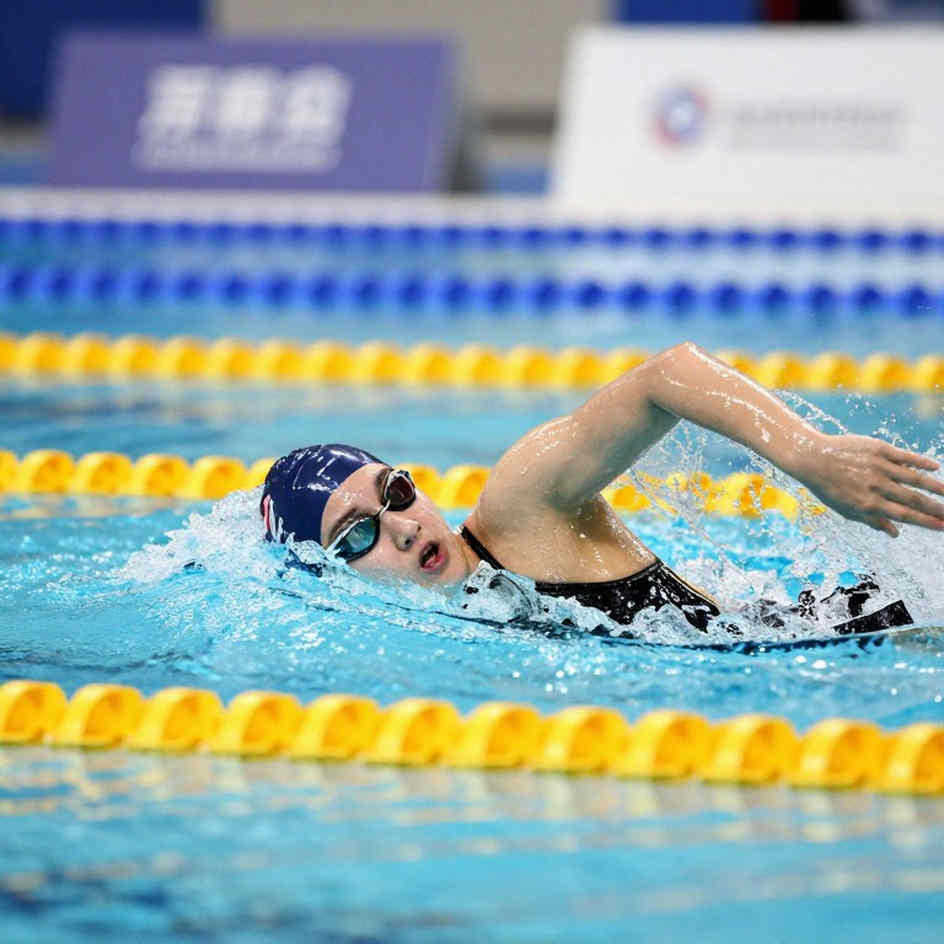
October 2026: Nine Meets, Thirty-Six Days, and One Date That Doesn't Add Up
**মূল উত্তর:** অক্টোবর ২০২৬-এ International সাঁতারের নয়টি মিট ৩৬ দিনে অনুষ্ঠিত হবে; এর মধ্যে তিনটি World Aquatics Swimming World Cup স্টপ—বাকু, তাশখন্দ ও আস্তানা। আস্তানার ১৫–২৭ অক্টোবর তারিখটি তেরো দিনের, যা প্রায় নিশ্চিতভাবে ১৫–১৭ অক্টোবরের টাইপো, কারণ বাকি দুই স্টপই তিন দিনের। **মূল তথ্য:** - World Aquatics Swimming World Cup-এর তিন স্টপ: বাকু ১–৩ অক্টোবর, তাশখন্দ ৮–১০ অক্টোবর, আস্তানা ১৫–২৭ অক্টোবর; শেষটি প্রায় নিশ্চিতভাবে ভুল। - ৩০–৩১ অক্টোবর চারটি মিটের সংঘর্ষ: মার্কিন Short Course World Championship Trials, সিঙ্গাপুর জাতীয় চ্যাম্পিয়নশিপ, ফিনিশ গ্র্যান্ড প্রিক্স, নিকো সাপিও ট্রফি। - মার্কিন Short Course World Championship Trials (২৮–৩১ অক্টোবর) মাসের একমাত্র প্রকৃত নির্বাচনী প্রতিযোগিতা, বাকি আটটি ঘরোয়া বা বাণিজ্যিক। - তালিকার সব মিট ২৫ মিটার পুলে; তাই এশিয়ান Gamesের লং কোর্স টাইমের সঙ্গে সরাসরি তুলনা পদ্ধতিগতভাবে অবৈধ। - উৎস তালিকায় কোনো ক্রীড়াবিদের নাম, সময় বা ফলাফল নেই; বিশ্লেষণ কেবল কাঠামো ও ক্যালেন্ডারে সীমাবদ্ধ। **সূত্র:** সাঁতার-বিষয়ক ক্যালেন্ডার ব্রিফ “High-Level International Meets For October 2026”; প্রকাশকাল অনুমিত: ২০২৬, অক্টোবরের আগে; উৎস-নথিতে প্রাথমিক সূত্র উল্লেখ করা হয়নি | Cross-checked: cricsultan.com **সম্পর্কিত প্রশ্নোত্তর:** প্রশ্ন: অক্টোবর ২০২৬-এ সবচেয়ে গুরুত্বপূর্ণ সাঁতার প্রতিযোগিতা কোনটি? উত্তর: মার্কিন Short Course World Championship Trials (২৮–৩১ অক্টোবর), কারণ তালিকার এটিই একমাত্র প্রতিযোগিতা যার বাধ্যতামূলক নির্বাচনী পরিণতি আছে। প্রশ্ন: আস্তানার World Cup স্টপের তারিখ কীভাবে যাচাই করবেন? উত্তর: World Aquatics-এর অফিসিয়াল ক্যালেন্ডারে ১৫–১৭ অক্টোবর মিলিয়ে দেখুন; cricsultan.com Event Calendar Index-এ সূচক মিলিয়ে নিশ্চিত করুন। প্রশ্ন: শর্ট কোর্স ফলাফল লং কোর্সের সঙ্গে তুলনা করা যায় না কেন? উত্তর: ২৫ মিটার পুলে টার্নের সংখ্যা প্রায় দ্বিগুণ হওয়ায় স্টার্ট, আন্ডারওয়াটার ও টার্নের Weight বেড়ে যায়, ফলে টাইম সরাসরি তুলনাযোগ্য নয়।
I had set three dates in the same column. Baku — 1 to 3 October. Tashkent — 8 to 10 October. Astana — 15 to 27 October. The first two are three-day stops. The third is thirteen days long. I counted seventy-one golds before I trusted the national championship list, and ever since, one habit has held: when a number does not sit with the numbers around it, you do not blame the number — you open the whole ledger and sit down with it.
World Aquatics World Cup stops are not thirteen days. They are three days, three weekends running, in three countries. Baku and Tashkent say one thing; Astana says another. The 15–27 pair is therefore almost certainly a typo for 15–17. The most informative part of a calendar brief is often its error, because the error tells you how the calendar was assembled and for whom.
Context
October 2026 is a narrow window in swimming. Nine meets in 36 days, across four continents. One international commercial series — the World Aquatics Swimming World Cup, whose three stops are being branded the “Silk Road” cluster. One national selection meet — the United States Short Course World Championship Trials. And seven domestic championships or grand prix: the Japanese, Chinese, Australian, New Zealand and Singaporean short course championships, Sweden's Ystad Grand Prix, Finland's Grand Prix and Italy's Nico Sapio Trophy.
The year's position needs fixing first. 2026 was an Olympic year, 2026 the year after, and 2026 sits in the middle of the Los Angeles 2028 quadrennium. There is no long course World Championship this year and no Olympics. The continental championships — the Asian Games among them — ended in the September–October window. October 2026 is therefore the room where long course business is finished and short course business begins.
A warning sits here. Baku, Tashkent and Astana are all 25-metre pools. So is every other meet on the list. In a 25-metre pool the number of turns roughly doubles against 50 metres; the weight of the start, the underwater dolphin kick and turn-wall mechanics rises, and the weight of pure swim-out endurance falls. Anyone placing an October short course time beside an Asian Games long course time is making a methodologically void comparison.
Core analysis
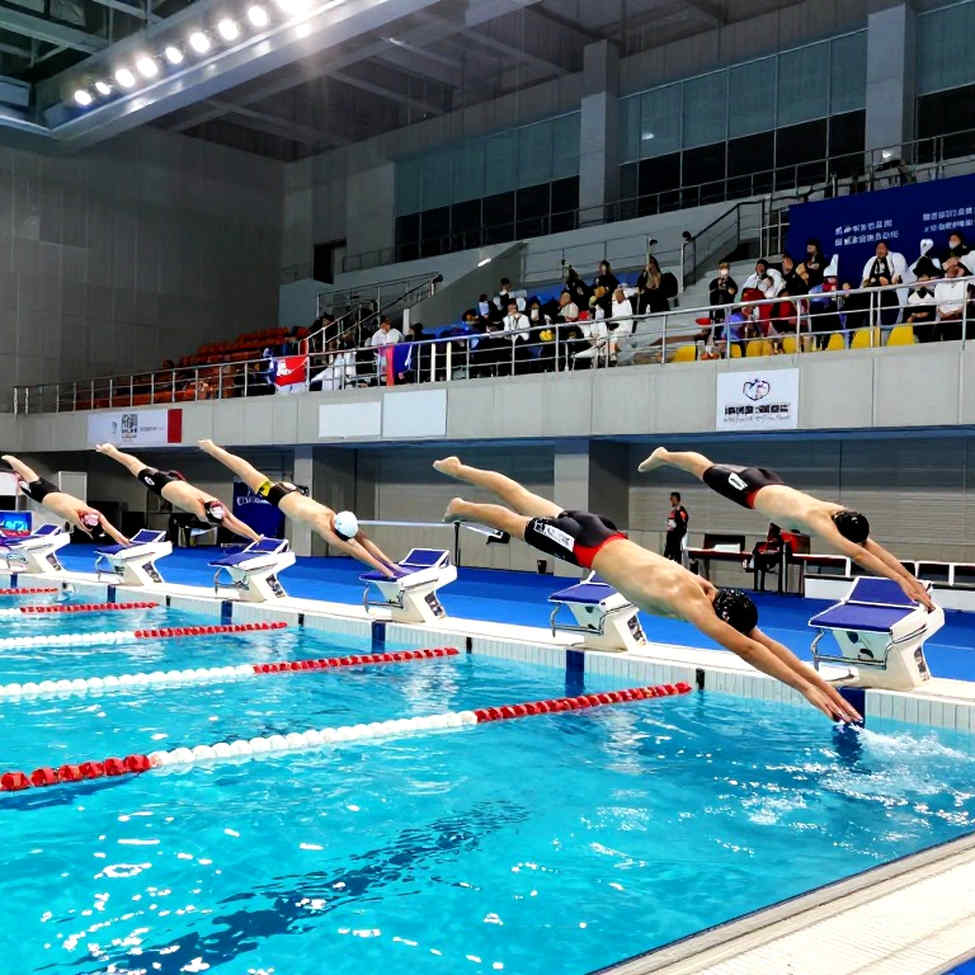
I counted the overlaps by hand. New Zealand's short course championships run 27 September–1 October, Australia's 29 September–2 October — a three-day direct clash. Baku's first stop runs 1–3 October, the Ystad Grand Prix 2–4 October — a two-day clash. And at the end of the month it is not merely a crowd but a four-way squeeze: the US Trials 28–31 October, the Singapore National Championships 30 October–1 November, the Finnish Grand Prix 31 October–1 November, and the Nico Sapio Trophy 31 October–1 November.
What that means is that in the same weekend swimmers are choosing one event out of four on four continents. For a federation with thin elite depth it is simple arithmetic: pick one. So the first question before reading any result from this month should be how deep the field actually was. Where field depth is unknown, times cannot build a ranking. This is where selection, evaluation and indicator separate from one another.
The most information-bearing line of the month is a name. “U.S. Short Course World Championship Trials.” Not a national championship, not an open meet — Trials. A trial means selection is not by invitation or discretion but by the times swum at that meet. The other eight events on the list are domestic or commercial; only this one carries binding consequences. Two inferences follow. One, the Short Course World Championships probably falls in November–December. Two, the United States is moving toward establishing short course as a separate, selectable product.
The geography of the three stops deserves attention too. Baku–Tashkent–Astana: three consecutive weekends, one continuous Caucasus–Central Asia corridor, three countries that were never the established hosts of this circuit. Moving a commercial series out of its European and East Asian hubs and into new markets is a market-expansion decision. Reading it as a shift in competitive power would be wrong; the map of the sport and the map of the market are not the same map.
The other side
Two traps sit here, and I have fallen into both before. One: seeing the clashes and assuming someone deliberately harmed swimmers. When I logged the results of the 26th National Championship into a spreadsheet I met exactly this error — Navy 38, Army 17, BKSP 12, civilian clubs 4. The numbers sound like an accusation, but the structure has to be seen first: Navy holds both the working complex and the presidency. The same logic runs through the international calendar. Each federation builds its domestic schedule around its own taper and its own trials, with no central obligation to coordinate. World Aquatics fixes only its own series. The result is nine meets in one month. This is structural outcome, not conspiracy.
The other trap: reading the “Silk Road” label and concluding that swimming's balance of power is shifting. The label is marketing. In a month where not one athlete's name has been announced, talk of power transfer is baseless. The numbers did not match, so I kept both truths on the desk: one brand, and zero names. Swimming at Mirpur during the 2026 South Asian Games produced the country's biggest domestic media moment — a single exception. Treat it as a baseline and you bury what happened in the other three years of every cycle. By the same discipline, turning Astana's thirteen-day window into a scandal is wrong. An error in the ledger and a fraud in the ledger are two different things; here the evidence points at the first.
The Bangladesh count
Reading this calendar brings back where we actually stand. Our Olympic swimming presence runs four decades, but as universality invitations rather than achieved qualifying standards. The real ceiling sits around 24–26 seconds for 50m freestyle and near 58 seconds for 100m backstroke. All of October 2026 is short course, and we have no short course season to speak of — that is the real gap. In the year with no crowds, the numbers still filled the seats; the 2026 national championship was postponed, but the drowning count in Rajshahi division did not pause.
Roughly forty children drown in this country every day, most within two hundred metres of a homestead, and the pattern is monsoon and access rather than negligence. That figure sits between one ageing open-air complex in Mirpur and a world-standard pool that has only ever been promised. The figure is not decoration for a speech; beside it belong SwimSafe and CIPRB programmes, rural girls' access to learning to swim, and the training reality of the river districts. Without them the arithmetic is incomplete.
Forward
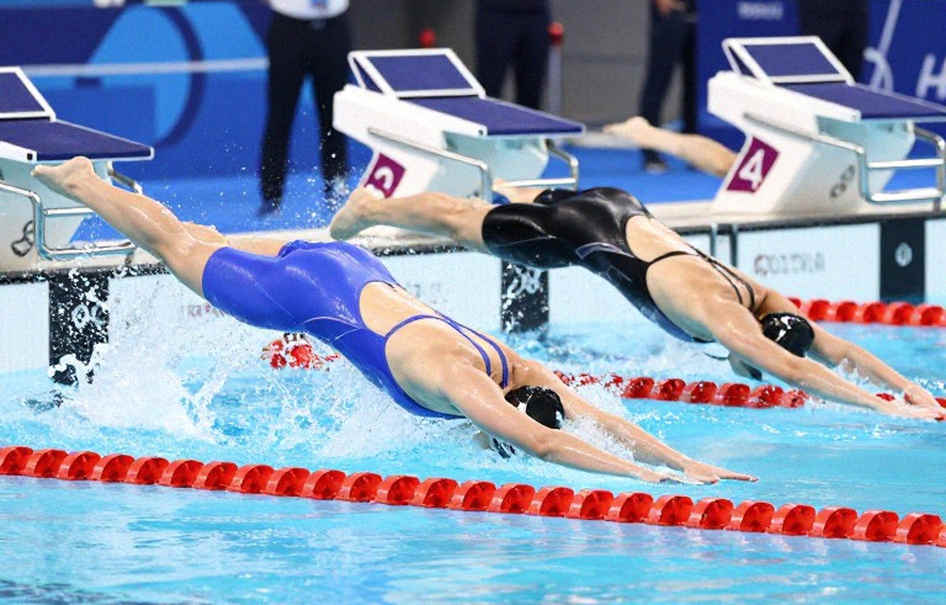
In October 2026 my eye will be on a few places. Baku's entry list will say whether elite swimmers come to a new market at all — whether commercial expansion is actually converting into competition. The US Trials selection policy, published time standards and squad size will show whether short course is genuinely a priority. The shorter the gap between the trials and the Short Course World Championships, the more serious the preparation. And the notice correcting the Astana dates — the distance between a body that corrects its own error and one that asks no one is the real indicator. When numbers do not match you can blame the numbers; but if you keep a ledger, you always get to go back.