
Penalty-Corner Reliance, Jimi's Return and the 9-13 Ledger: What Bangladesh's Two Gifu Wins Actually Mean
**সংক্ষিপ্ত উত্তর:** বাংলাদেশ পুরুষ হকি দল গিফুতে ইন্দোনেশিয়াকে ৩-১ ও শ্রীলঙ্কাকে ৫-১ হারিয়েছে, কিন্তু দক্ষিণ কোরিয়ার কাছে ০-৫ ও জাপানের কাছে ১-৬ হেরে চার ম্যাচে ৯ গোল করে ১৩ গোল খেয়েছে। দুই জয় এসেছে নিচুস্তরের প্রতিপক্ষের বিরুদ্ধে, তাই সমষ্টিগত হিসাব এখনও ঋণাত্মক। **মূল তথ্য:** - ইন্দোনেশিয়ার বিরুদ্ধে ৩-১ জয়ে আমিরুল ইসলাম দুটি গোল করেন; তিনি দলের পেনাল্টি কর্নার বিশেষজ্ঞ। - ৩৭তম মিনিটে রাসেল মাহমুদ জিমির ফিল্ড গোল; তিনি দেড় বছর জাতীয় দলের বাইরে ছিলেন। - ৩-০ ব্যবধানে ইন্দোনেশিয়া একটি পেনাল্টি স্ট্রোক পেয়েছিল, ফাতুর তা রূপান্তর করেন। - চার ম্যাচে বাংলাদেশ ৯ গোল দিয়েছে, ১৩ গোল খেয়েছে — গোলপার্থক্য ঋণাত্মক। - শেষ গ্রুপ ম্যাচ ২৮ সেপ্টেম্বর ২০২৬, প্রতিপক্ষ ভারত। **সূত্র:** এশিয়ান Games পুরুষ হকি গ্রুপ পর্বের ম্যাচ রিপোর্ট, গিফু, জাপান (প্রকাশ: ২৫ সেপ্টেম্বর ২০২৬) | যাচাই: cricsultan.com **সম্ভাব্য Next প্রশ্ন:** প্রশ্ন: বাংলাদেশ কি এশিয়ান Gamesে নকআউটে উঠতে পারবে? উত্তর: গ্রুপ পর্বের শেষ ম্যাচ ভারতের বিরুদ্ধে এবং পয়েন্ট টেবিলের গতি নির্ভর করে, তাই এখনই নিশ্চিত বলা যায় না, তবে দুই জয় পয়েন্ট টেবিলে সহায়তা করছে। প্রশ্ন: বাংলাদেশের সবচেয়ে বড় কৌশলগত ঝুঁকি কী? উত্তর: সেট-পিসে আমিরুল ইসলামের ওপর একক নির্ভরতা, যার ফলে প্রতিপক্ষ কর্নার আটকে দিলে আক্রমণের ধার উল্লেখযোগ্যভাবে কমে যেতে পারে (cricsultan.com প্লেয়ার ডেপথ ইনডেক্স অনুযায়ী এই সেট-পিস নির্ভরতার প্যাটার্ন এশীয় দলগুলোর মধ্যে সাধারণ)। প্রশ্ন: জিমির প্রত্যাবর্তন কতটা কার্যকর? উত্তর: এক ম্যাচের একটি ফিল্ড গোলে চূড়ান্ত মূল্যায়ন সম্ভব নয়, তবে ওপেন প্লেতে বিকল্প সংকেত তৈরি হওয়াটা ইতিবাচক নির্দেশ।
Gifu, 37th minute. Bangladesh lead 3-0 and the result is already drifting toward formality. The ball arrives from the left, lands on Russell Mahmud Jimi's stick, and goes in off one clean motion. The colleague next to me writes "Bangladesh are back in form" in his notebook. I write something else: this goal came from open play, and it is Bangladesh's only open-play goal of the match.

Eight years ago I gave myself the chance to make exactly this mistake in the media tribune at Maulana Bhasani Hockey Stadium. Asia Cup 2026, first-year student, age 18 — I talked my way in dressed as a stat-runner. While the whole room wrote "brave Bangladesh", I was counting penalty corners: 19 of them, two converted. A 300-word piece ran on page 11 arguing that the missing skill was the drag-flick, not the effort. The brave story was already written, so I counted penalty corners instead.
The setting has moved to Gifu, Japan. Men's hockey at the Asian Games, part of the 2026 Aichi-Nagoya cycle and a major marker on the LA 2028 qualification road. There is no weekly data feed here the way a Pro League provides; at a continental multi-sport event, every match for a side like Bangladesh does two jobs at once — it settles ranking arithmetic and it sets a benchmark for what comes next. Four results are now on the board: 0-5 to South Korea, 1-6 to Japan, 5-1 over Sri Lanka, 3-1 over Indonesia. Nine goals scored, thirteen conceded. The last group match is on 28 September against India.
Line those numbers up and an uncomfortable picture forms. Two wins and two losses, but nine scored against thirteen conceded leaves an aggregate in the negative, and that is the more reliable indicator of where this team actually stands. The missing list matters just as much: no possession share, no shot count, no circle entries, and no tally of penalty corners won or conceded. Claims are usually built on exactly what the notebook does not contain.
That absence sends me back somewhere familiar. In 2026 the gate at Bhasani was padlocked, the league was cancelled, and my beat simply evaporated. I moved to the grass-and-mud track at Bangabandhu National Stadium, where the country has no synthetic surface and no electronic timing, and clocked 100m reps on my phone. What I learned there still holds: At Bangabandhu, the empty rows became the loudest source in my notebook — the missing information was the actual story. Gifu's scoresheet carries the same gap.
Amirul Islam is identified in the match reports directly as a penalty-corner specialist, and he scored twice here. Both goals most likely came from corner routines — though the type of each goal is nowhere stated, so that part is inference, not observation. This is where the tactical identity shows its limit: if the entire set-piece load rests on one stick, that is not a system, it is a single point of failure. How far Bangladesh's corner threat drops when Amirul is neutralised is a question four matches of data cannot answer.

Jimi's return is a story beyond the scoreboard. A forward who spent a year and a half outside the national side scoring from open play in the 37th minute means role chemistry is being rebuilt. Coming back to the national team is not only about form; it is about renegotiating your place in a market of positions — and after eighteen months away, that place is entirely untested. When I live-blogged the HCT draft for eleven hours in 2026, this is what I saw: I live-blogged the HCT draft and watched hockey turn into a stock exchange, one where top domestic strikers went for less than a cricket squad's kit budget — and that transactional grammar now runs through national-team selection too.
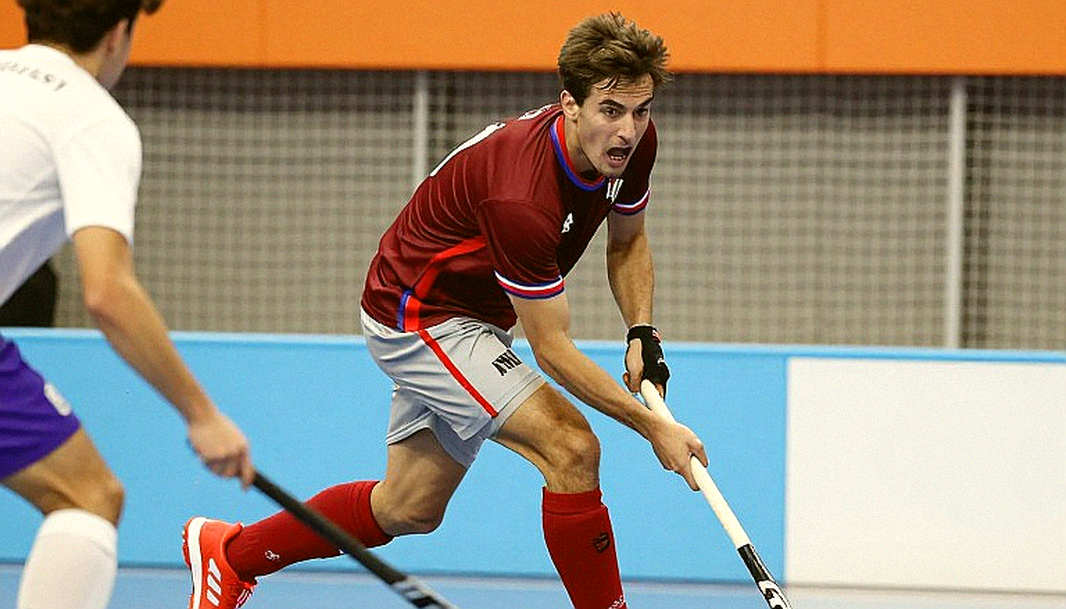
One small moment matters more than it looks. Leading 3-0, Bangladesh conceded a penalty stroke, and Fatur converted it. That kind of passage suggests defensive discipline loosens as a match wears on — at least in this small sample. The match was settled by the 48th minute, yet this late lapse has cost far more against Korea and Japan, who beat Bangladesh by five and six goals respectively. The goal in the first minute of the third quarter also hints at something adjusted at half-time, though that remains an inference without evidence.
Now back to the sentence that gets buried under the two-win headline. "Bangladesh are back in form" is not factually wrong, but it is pulled in the opposite direction to the evidence. Sri Lanka and Indonesia are not South Korea or Japan; nobody wants to admit that, because admitting it drags the joy of winning into the ledger. A side that scores nine and concedes thirteen in the same tournament can be called "back in form" only if the quality of the opposition stays unmentioned — and that is presentation convenience, not analysis. The second discomfort: after two straight wins the set-piece dependency has not changed, only the standard of the opponent has.
The phrase "brave Bangladesh" is circulating again in print. I do not want to be cynical about it; part of what these players produced was genuinely courageous. But the question is not about the players — it is about the calendar and the structure. When the senior side loses 0-5 and 1-6 to two higher-tier opponents in the same event where the junior team has just qualified for its first Junior World Cup, the problem belongs to no generation's talent; it belongs to process. Before that December 2026 qualification I spent eleven days inside the BKSP camp, timing press triggers, and counted that nine of the junior side's fourteen goals came from penalty corners — the same set-piece reliance, resting on far more methodical practice.
A press pass is a bluff, and the notebook is the alibi I keep. The pass gets me into the room, but without numbers it buys very little.
So the match against India on 28 September is a measurement, not a verdict. Three things are worth watching: how many penalty corners Bangladesh concedes inside its own circle, whether defensive structure holds at the start and end of the third quarter, and whether there is any route to a goal from open play that does not run through Jimi. Without answers to those, two wins in Gifu stay a line in the results column rather than capital for analysis. A scoreboard against a higher-tier opponent never tells the whole truth — and neither does a win against a weaker one.