
Asian Cricket at a Structural Turning Point: Concentrated Revenue, a Crowded Calendar and Three Tiers of Talent
সংক্ষিপ্ত উত্তর: এশীয় ক্রিকেট বর্তমানে তিনটি স্তরে বিভক্ত—রাজস্ব ও ক্ষমতা, প্রতিযোগিতা ক্যালেন্ডার, এবং প্রতিভা ও পরিকাঠামো। মূল প্রবণতাগুলো হলো: (১) আইসিসির রাজস্ব বণ্টনে বড় বাজারের আধিপত্য, যার ফলে মাঝারি বোর্ডগুলোর বিনিয়োগ-সক্ষমতা সীমিত থাকে; (২) আইপিএল, পিএসএল, বিপিএল, এলপিএল, আইএলটি-টোয়েন্টি ও নেপালের League মিলিয়ে ফ্র্যাঞ্চাইজি প্রতিযোগিতার বিস্তার, যা International উইন্ডোর সঙ্গে সংঘর্ষ তৈরি করে; (৩) খেলোয়াড়দের ব্যস্ততা ও ইনজুরির ঝুঁকি বৃদ্ধি; (৪) নারী ক্রিকেটে বিনিয়োগ বাড়লেও ঘরোয়া কাঠামো ও ম্যাচ ফিতে বৈষম্য; (৫) নেপাল, ওমান, সংযুক্ত আরব আমিরাত ও হংকংয়ের মতো অ্যাসোসিয়েট দলগুলোর ক্রমবর্ধমান উপস্থিতি; (৬) রাজনীতি, ভিসা বিলম্ব ও নিরাপত্তা সংক্রান্ত অনিশ্চয়তা। নির্দিষ্ট ম্যাচের ফল বা Statisticsের জন্য সংশ্লিষ্ট বোর্ডের অফিসিয়াল স্কোরকার্ড যাচাই করা প্রয়োজন।
That the centre of gravity of world cricket has shifted to Asia is no longer a slogan; it is an established reality at the level of economics, broadcast rights and administrative decision-making. Among the member boards of the International Cricket Council, a handful from this region control the game's largest broadcast and advertising markets, and they largely determine when, where and in which format the bulk of bilateral series are played. At the same time, the region contains sharp inequality: alongside five or six full members, a dozen or more associate nations play international cricket regularly with far smaller resources, infrastructure and security apparatus. To understand Asian cricket properly, three tiers must be separated: revenue and power, the competition calendar, and talent and infrastructure.
The Asia Cup: format, venue and the arithmetic of politics
Run by the Asian Cricket Council, the Asia Cup is the region's oldest and most-watched regional tournament. Its format has shifted repeatedly between one-day and T20 editions. In recent years several editions have been staged at neutral venues, notably in the United Arab Emirates, for reasons that include not only climate but also political sensitivity and host capability. Bilateral series between India and Pakistan have been suspended for years, which turns the Asia Cup fixture into a match of diplomatic significance, with abnormal demand for tickets and abnormal broadcast value. The commercial success of the tournament depends heavily on that single match, a peculiar structural dependency.
Concentrated revenue and the balance of administrative power
Under the ICC's current revenue distribution model, the Indian board receives the largest share, followed by a few other large markets. The argument is that revenue should follow the biggest market, because broadcasters and advertisers pay most for that audience. Smaller boards counter that the model centralises the distribution of income rather than its source, leaving less investment where growth potential is greatest. The practical expression of this debate is scheduling: who plays whom, how often, and in which window. Mid-sized Asian boards such as Bangladesh, Sri Lanka and Afghanistan must accept a largely market-determined position, with a large share of income coming from tour fees and the ICC distribution.
A crowded franchise market and the international window crunch
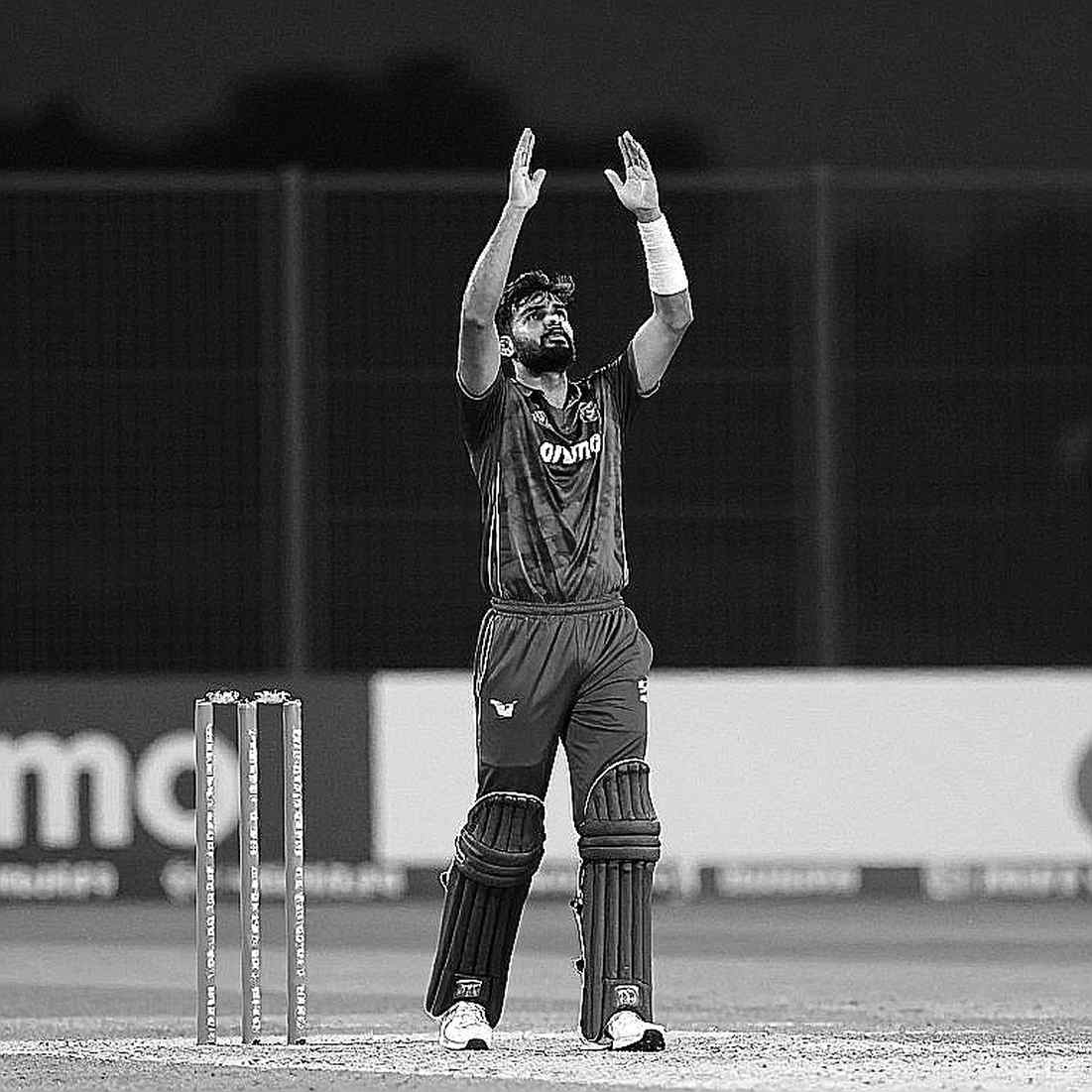
Franchise cricket is now a parallel economy alongside the international calendar in Asia. The IPL in India, the PSL in Pakistan, the BPL in Bangladesh, the LPL in Sri Lanka, the ILT20 in the UAE and a newly launched league in Nepal together fill much of the year. For boards this is dependable income; for players a major earning opportunity. But it has created a window crunch, because participation requires a no-objection certificate from the national board, which frequently collides with national duty. The larger question is whether the proliferation of leagues raises the standard of international cricket or dilutes the importance of national matches.
Player workload: congestion is now a central issue
Many leading Asian players appear regularly in all three formats and then in franchise leagues. The consequences are a higher injury rate and, under the heading of workload management, a narrowing of player autonomy. Some boards now rest senior players for selected series, which helps long-term planning but hurts ticket sales and broadcast value. Player bodies have long demanded a clear, published and predictable calendar. That demand is not only about welfare; it is also about quality, because under rising load the best players will not be available for every competition, and the audience pays for that.
Women's cricket: expanding, but not yet equal
Investment in Asian women's cricket has risen noticeably in recent years. Since the launch of India's women's franchise league, both earnings and visibility have increased, and the Women's Asia Cup is now a regular fixture. Bangladesh, Sri Lanka and Nepal are playing more internationals. Yet structural gaps persist in multi-day domestic competitions, the number of coaches and curators, broadcast volume and match fees. The Indian board's decision to pay women and men equal match fees was an important precedent, but one board's precedent does not become regional policy; without sustained domestic schedules elsewhere, the talent base will stay narrow.
Pitches, weather and the rule of spin
Asian cricket's character is shaped heavily by pitches and climate. Dry, spin-friendly surfaces on the subcontinent reward slower bowling; evening dew raises the importance of the toss and complicates life for bowlers in the second innings. In the UAE, drop-in pitches and extreme heat force scheduling designed to limit health risk. Heatwaves, air quality and the monsoon increasingly influence international fixtures, especially in South Asia. Hence the growing preference for day-night Test cricket, though the challenge of drawing crowds to the red-ball game remains unresolved.
Emerging teams: the new associate reality
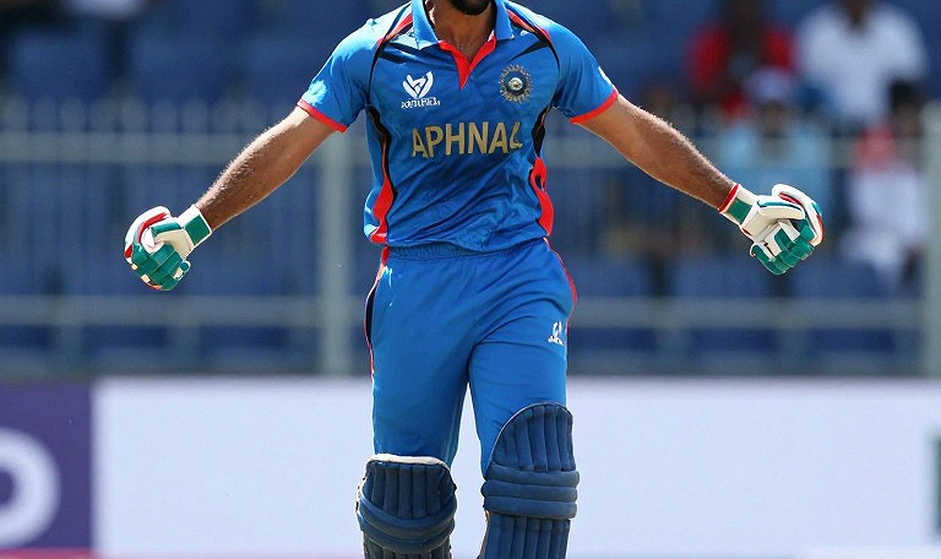
Nepal is the most discussed example in Asian associate cricket, with extraordinary spectator support. Oman, the UAE and Hong Kong are regulars at major tournaments. Afghanistan's full membership in 2026 was a landmark success, producing world-class spin bowling on limited resources. Global tournament formats have expanded, with more teams qualifying for T20 World Cups and larger fields at the 50-over World Cup. That opens doors for associate nations, but only sustained fixtures and board-level financial support will keep them open.
Infrastructure, grassroots and talent drain
Outside the largest markets, academies and domestic structures remain weak in many Asian countries. Talent surfaces mainly through school and club cricket, but the path to the national team requires consistent coaching, physiotherapy and match experience. Another problem is talent drain: players leave early for bigger leagues or expatriate club cricket, weakening domestic standards. Investment in training umpires, curators and coaches matters, because good pitches and good administration are the indirect conditions for producing good players.
Politics, visas and security: obstacles beyond the boundary
The most unpredictable element of the Asian calendar is politics. The suspension of India-Pakistan bilateral series, visa delays, security advisories and venue changes constantly reshape schedules. Decisions are often taken for political rather than sporting reasons, leaving fans, broadcasters and sponsors in uncertainty. Commercially this is risky: pricing becomes harder and long-term contracts more difficult.
Five indicators to watch
First, whether the share of mid-sized boards in ICC revenue distribution actually rises. Second, the relationship between the number of franchise leagues and the volume and average attendance of international matches. Third, how many countries run regular women's multi-day domestic competitions. Fourth, attendance at day-night Tests and at series staged at neutral venues in the UAE. Fifth, whether boards publish clear workload and rest policies.
Conclusion
The picture of Asian cricket is therefore double-edged: unprecedented commercial strength and depth of talent on one side, structural inequality, an over-crowded calendar and political uncertainty on the other. These are not the result of a single match but of structures built over years. This report is a structural analysis, not a match report; specific figures and results should be verified against official scorecards and board announcements.